Our Mission

Founded in 1989, HtH is the oldest all volunteer, action, homeless organization in the state of Texas. The mission is Education and Advocacy around the issues of ending and preventing homelessness.

Urgent Issues

Re-Criminalizing Homelessness — Speak up now!

HtH supports the direction being taken by the City of Austin’s relatively new Homeless Strategy Office, led by a very committed and responsive David Gray, and with the commitment of Charles Loosen and other staff. We further strongly advocate ALL positions below that preceded The vote to basically criminalize homelessness — especially:

reinstating a camping ban must consider that those with disabilities, the aged, and in fact anyone with no place to go. The no sit/no lie ordinance is absolutely inhumane and unconscionable we must have at least 15 minute respites particularly for those with disabilities and make other provisions.

Mayor Kirk Watson, elected in 2023, is working to secure funding for homeless services from the State and within the City Budget.

2025 interests:

City Council approved a resolution making homelessness a top financial priority.

Increase the capacity of the Homeless Strategy Office to address and implement a comprehensive approach to strategic advancements in homelessness response. (Plan detailed in a 50-page memo from David Gray, June 2025).

Examples:

1. Expand HOST (Homeless Outreach Street Team) support including team members:

APD officers, EMS paramedics, behavioral health clinicians, social workers, peer support staff.

2. Support for Marshaling Yard operations.

3. Rapid Response housing and safe housing, especially for families.

4. Increase shelter beds with support; and more.


The Austin city council recently voted to put on its May 2021 ballot a vote to reinstate the no camping ban including the no sit/no lie ordinances. Now is the time to contact your mayor and council members particularly those who have supported decriminalizing homelessness, such as Mayor Adler, Kathy Tovo, Ann Kitchen, Greg Casar, Sabino Renteria, and others, we pray.

First call to action is cold weather shelter. Anyone that reads this, our urgent plea is to email our mayor and city council in this urgent time of cold weather. House the Homeless is encouraging to use the Convention Center or other alternatives sites that are already over burdened due to Covid-19 or at capacity.

A second call to action is to not displace unsheltered neighbors from bridges and the four major camp areas without having an immediate plan for alternative shelter/housing.

Finally, advise your mayor and council members that the wording for the May ballot regarding reinstating a camping ban must consider that those with disabilities, the aged, and in fact anyone with no place to go. The no sit/no lie ordinance is absolutely inhumane and unconscionable we must have at least 15 minute respites particularly for those with disabilities and make other provisions.

Federal Minimum Wage Debate

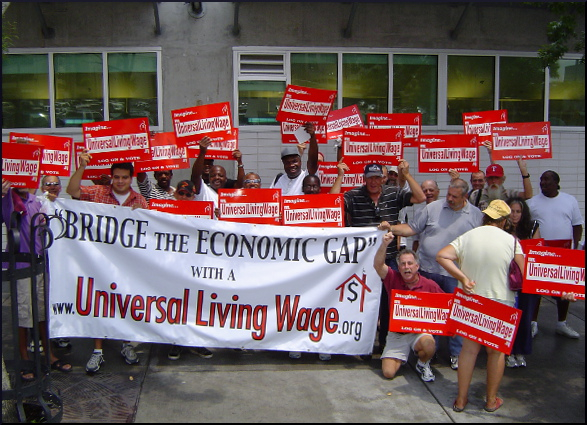
Federal resolve is insufficient; highly recommend Universal Living Wage formula indexed on the cost of housing wherever the person lives and works. 

Sleep Loss a Pervasive and Underrated Problem

It’s easy enough to glance at the news headlines and find examples of savage treatment, although, fortunately, the number of individuals who have been beaten or set on fire is relatively small. There is another cruelty, less extreme than physical assault, but it is suffered by nearly all people experiencing homelessness. Whether they sleep rough or find room in a shelter, it’s very difficult to get uninterrupted, restful, and sufficient sleep.

This aspect of homelessness was investigated by Richard R. Troxell and Hugh Simonich by conducting a survey during the 10th Annual House the Homeless Thermal Underwear Drive hosted by House the Homeless, Inc. in Austin, Texas. The annual January event proves to be an excellent place to collect information because many of the local people experiencing homelessness are gathered together in one place.

This year, 204 people answered the survey questions, 88% of them male and 12% female. For the purposes of this survey, only those who had slept or were currently sleeping in shelters were interviewed. Locally, the two main places of refuge are ARCH (Austin Resource Center for the Homeless) and the Salvation Army.

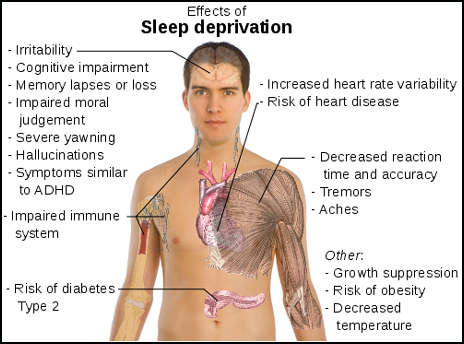
The individual need for sleep varies greatly, from between five to 10 hours a night. Insufficient sleep is no joke. It has serious physical and psychological consequences that are often ignored. Interrogators in every country know that total sleep deprivation is a form of torture, which victims have described as even worse than hunger or thirst. Even when there are no pre-existing mental problems, chronic sleep insufficiency can make a person crazy all by itself.

The simulated driving test is a good way to measure mental impairment. Provided that a person knows how to drive in the first place, the before-and-after results for an individual can be evaluated by how they do on a test like this. Troxell and Simonich quote Professor Mack Mahowald on the grave result of even one night of missed sleep:

One complete night of sleep deprivation is as impairing in simulated driving tests as a legally intoxicating blood-alcohol level.

Some of the results of sleep deficit include aching muscles, confusion, depression, tremors, headache, irritability, and hallucinations. Sleep deprivation can have bad medical consequences. This information comes from Dr. Eve Van Cauter, of the University of Chicago’s School of Medicine:

Dr. Cauter’s research indicates that, ‘Chronic sleep loss may not only hasten the onset but also increase the severity of age-related ailments such as diabetes, hypertension, obesity, and memory loss. Also, it is believed that people, especially men, who fail to get good quality sleep, often are more likely to experience depression.’

The shelter sleepers who have responded to the survey reported having only a little over five hours of sleep per night. More than 90% said they needed more sleep, and 70% said that, at times, the lack of sufficient sleep left them so tired they felt unable to function normally during the day. Housed citizens, take note: A street person who is scorned for acting weird might not even be drunk or drugged, or mentally impaired, only sleep-deprived.

Snoring seems to be a big problem, and since it’s connected with cigarette smoking, one of the recommendations is for people to quit smoking, which is a good idea in any case. Other noises that keep shelter residents from falling asleep, or wake them up in the night, include loud talking, slamming doors, ringing phones, and trash removal, all of which are under the control of the shelter personnel.

Twenty-seven percent of the respondents also said that fear of being hurt kept them from sleeping, a fear which unfortunately can be just as rational in some shelters as outdoors.

Last month, in St. Louis, Missouri, a lawsuit was filed against the New Life Evangelistic Center. The complainants are the parents of a young man who was fatally stabbed three years ago. Jeremy Dunlap’s killer was sentenced to 30 years in prison, and the homeless shelter is accused of not having good security regulations, and of being lax in observing the rules that were in place.

This excerpt from an article titled “Why Many Homeless People Choose Streets Over Shelters” by Josie Raymond looks at some of the reasons why shelters are shunned even if available. Aside from the risks of violence and theft, there is the contagion factor. Transmissible diseases like tuberculosis, that we thought were ancient history, are reemerging in a big way. Keeping a bunch of people together in a small space is a great way to spread illness. Raymond quotes an authority we have also quoted:

Becky Blanton, a writer who was homeless from March 2006 to August 2007, says she had a lot of reasons not to enter shelters when she lost her housing. ‘Disease, violence, mental illness and addiction,’ she said simply, before going on to explain that in her experience, staying in many emergency shelters lead to scabies, lice, bed bugs, the transmission of hepatitis and tuberculosis, athlete’s foot from the showers, the common cold and lots of other things that are no big deal if you can stay home in bed, but can kill you if you’re homeless.’

According to the Centers for Disease Control and Prevention, America needs national public health programs “specific to homeless populations.” Let’s hope that sufficient sleep is recognized as one of the conditions necessary for health.

Reactions?

Source: “2011 Health Sleep Study,” House The Homeless, 02/12/11
Source: “Parents sue over fatal stabbing at homeless center,” NECN, 02/15/11
Source: “Why Many Homeless People Choose Streets Over Shelters,” Tonic.com, 12/02/10
Image “Effects of Sleep Deprivation” by Mikael Häggström, via Wikimedia Commons.

No Sit/No Lie: Troxell’s Testimony

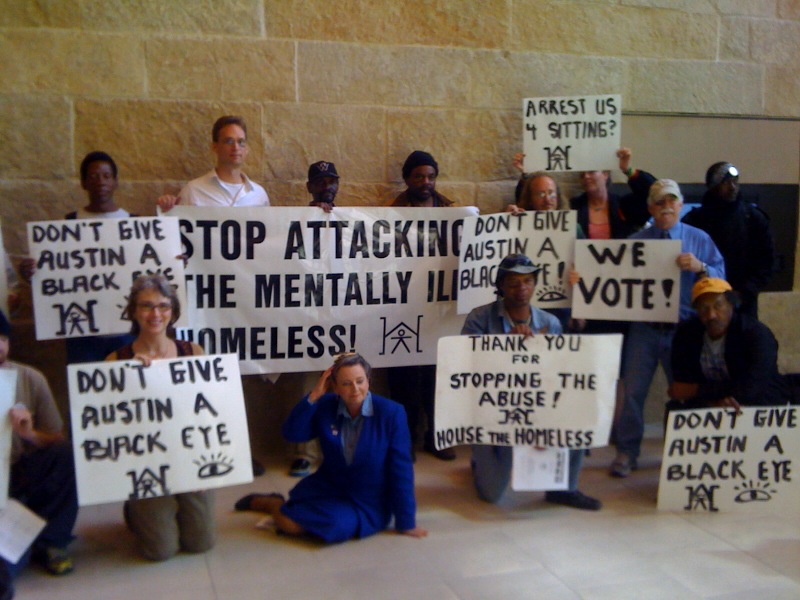
Members of House the Homeless protest at an Austin City Council meeting to consider changes to the City’s “No Sit/No Lie” ordinance.

The following is the testimony of Richard R. Troxell, president of House the Homeless, Inc., before the Health and Human Services Committee of the Austin, Texas, City Council on Thursday, March 3, 2011. The Committee was considering making changes to the language in Austin’s “No Sit/No Lie” ordinance to bring it into compliance with the Americans with Disabilities Act.

Greetings to the Mayor, City Council and the Citizens of Austin,

I’m Richard Troxell, President of House the Homeless.  This is our simple truth about the No Sit/ No Lie Ordinance that allows homeless people to be fined up to $500.00 for sitting of lying down.

On January 1, 2009, at our 9th annual Thermal Underwear Party, House the Homeless conducted a health survey of 501 people experiencing homelessness.  The results showed us that 48% or about half all people experiencing homelessness in the Austin Area are so disabled that they cannot work. Their disabilities range from strokes, congestive heart failure, schizophrenia to diabetes, etc.  We learned that there were no exceptions to these fines for people with disabilities under the No Sit/No Lie Ordinance. We recognized that this is in violation of the Americans with Disabilities Act. House the Homeless approached Mayor Pro Tem, Mike Martinez, who championed our cause, along with Council Member Laura Morrison, to bring our local ordinance in line with the federal ADA.

A resolution was unanimously passed by Council to send the issue to the Health & Human Services Committee. At that time, Mayor Lee Leffingwell instructed the HHS Committee to explore the idea of providing enough benches for people to sit upon so as to possibly make the entire issue moot. The Committee was chaired by Council Member Randi Shade who was joined by Mike Martinez and Laura Morrison. Three “stake holder” meetings were held involving businesses, downtown neighbors and homeless advocates.

At the first meeting, House the Homeless presented a list of twenty “exceptions” to be considered. For example, if a person had an award letter of disability from the Social Security Administration, the Veterans Administration, the Disability Determination Services a Mobility Impaired Bus Pass or a note of disability with a doctors backing, then they would be recognized to be disabled and exempt from receiving fines under the ordinance. To the shock of House the Homeless, under the guidance of city staff, we were told that the concept was unacceptable and they would not consider any of the exceptions.

At the end of the meeting, House the Homeless reminded the group of the Mayor’s Directive about benches and as a result, we were all then instructed to return with ideas and locations for benches. HTH returned to the next Stake Holders meeting with photos of benches with center dividers so people could not lie down and sleep on the benches and a list of places where benches were needed where they would not interfere with pedestrian or business foot traffic. Again, this city staff led group would not even consider the list. Instead it was suggested that the benches in the “Great Streets Project” would suffice for the benches. Period. Later, upon research, HTH learned that this was a total sham and the “Great Streets Project” only included a handful of streets with no new benches in their budget.

When the Health and Human Services Committee next met, HTH disclosed these events, but they fell on deaf ears. It was then decided by someone on the committee or the city legal department to insert the word “physical” making the ordinance read that anyone with a “physical disability” would be exempt under the ordinance. HTH argued that conversely, this would mean that anyone with a mental health disability would be subject to fines. HTH decried this as unacceptable. I asked for a meeting with Police Chief, Art Acevedo, and Council Member Laura Morrison to discuss their concerns. The Chief said that he simply did not want disabled homeless people sitting and lying down all over the city.

In response to the HTH objection, Randi Shade changed the language to read that anyone with a “physical manifestation” would be exempt. We understood that they wanted there to be an “event”…like I’m disabled and I’m feeling dizzy so that is why I need to sit down. We get that.  But when you say you are looking for a “physical manifestation” it suggests to the police officer that if he can’t observe a missing body part, then he should issue a ticket.

And here is the other problem…the bottom line.  The committee is now recommending to council that a person facing a fine must “create an affirmative defense” to show that they had been 1) disabled (sounds like our list of exceptions) and 2) that they had been dizzy, faint, feeling nauseous, suffering pain, a migraine headache or experiencing weakness.

House the Homeless has asked the Health and Human Services group both in committee and by e-mail, how for example, Council Member Laura Morrison’s husband, Phillip, and others like him who are diabetic, are supposed to be able to prove that on X date, that they had needed to sit down because they felt woozy because of low blood sugar? No one has been able to answer our question. Realize that about 40% of the homeless folks have severe mental health concerns.  How is a mentally ill, disabled homeless person supposed to provide an affirmative defense that no one can tell me how to prove. How does one prove that they were feeling nauseous, faint, dizzy, suffering pain or experiencing weakness?

Council Member Randi Shade says that this is a good process to get people with mental health concerns to Community Court to get the help they need. Ethical questions aside, like ticketing people to get them into health care, you’ve already heard today about the truncated level of mental health services in this area with more major reductions to come.  But what Council Member Shade may not realize is that their funds are already drastically reduced and if you suffer PTSD for example from seeing your spouse raped or your daughter burned to death in a fire, that you could not get treatment.

I’m at the Homeless Resource Center every day. Even with MHMR/Integral Care located in the same building, there are dozens and dozens of people with serious mental illnesses, many hearing voices, talking to themselves, and having hallucinations, who are not being served now. They are already traumatized.  Does it really make any sense to force them into a court system, unrepresented to “affirmatively defend” against an ordinance that none of its would-be creators can tell us how they could possibly defend themselves?

Instead, how about this, strike the one word “physical” and the one clause “affirmative defense.” Let the police officer approach the individual and inquire why they are sitting down. If they say they are disabled, or “I have diabetes, I’m feeling woozy, I just need a minute or two,”  the officer then assesses the situation, asks if he/she needs emergency care and if not, says “OK, I’ll be back through here in about 30 minutes. If you’re still here and having a problem, I’ll assess you for an emergency medical call. If you don’t need the emergency medical care you’ll be asked to move on, immediately. If you don’t move, you’ll be ticketed and this conversation will have served as your warning. Fair enough?”

If a ticket is issued, the case goes before a judge and with the affirmative defense clause struck, he can make a proper determination but without the individual being asked to fall on their own sword.

This does not need to go back to committee. We can give the officers the plastic HTH cards with the acceptable list of disabilities so parameters are clear to everyone. Additionally, we can begin budgeting now for enough benches to make Austin the world class city that it aspires to be.

These steps will bring us into compliance with the ADA law and yet the city gets to restrict wholesale sitting or lying down. Win-Win. Just strike the one word: “physical,” and the clause, “Affirmative Defense,” because the way it looks to HTH, the City of Austin with all of its power, lawyers, and resources cannot figure out how to prosecute these people. It’s asking people with mental illnesses, who are abjectly homeless, to prosecute themselves.

Finally, the Texas Civil Rights Project and it’s director, Jim Harrington, have expressed their written intent and desire to sue the City of Austin under the ADA should you pursue this course of action. Don’t give Austin a Black Eye.

Thank you,
Richard R. Troxell, President
House the Homeless, Inc.

Photo courtesy of House the Homeless, Inc.0

No Sit/No Lie: Letter From Texas Civil Rights Project

The following is a letter from James C. Harrington, Director of the Texas Civil Rights Project, to the Mayor of Austin, Texas, and the members of the City Council, supporting House the Homeless president, Richard R. Troxell’s, testimony that the “No Sit/No Lie” ordinance violates the Americans with Disabilities Act.

TEXAS CIVIL RIGHTS PROJECT
1405 Montopolis Drive
Austin, Texas 78741-3438
(512) 474-5073 (phone)
(512) 474-0726 (fax)

James C. Harrington, Director
February 27, 2011

Mayor Lee Leffingwell and Members of the City Council
City Hall
Austin, Texas

Re: “No Sit/No Lie” ordinance

Dear Mayor and Members of the Council:

This follows up on the letter I sent you on February 1 and outlines what I believe are two deficiencies in the currently proposed ordinance such that they would be violations of the Americans with Disabilities Act and Section 504 of the Rehabilitation Act.

First is the apparent omission of mental disabilities or less than full coverage, as Richard Troxell has pointed out.  The ADA and Section 504 cover both.

Second is affirmative defense in criminal cases.  Both the ADA and Section 504 require that the City accommodate people who have a disability, whether mental or physical, when that disability is known or apparent.  Not to do so is a violation of federal law.

Subjecting someone to criminal prosecution because of their disability, whether or not there is an affirmative defense, is not an accommodation.  In fact, it would be a discriminatory act.  This is all the more so since a person charged with a Class C misdemeanor is not entitled to an attorney.

I believe that the current form of the ordinance would violate the ADA and Section 504.  As I mentioned before, we would be happy to litigate this issue; but I hope we wouldn’t have to.

Cordially,
James C. Harrington0

No Sit/No Lie: Letter from House the Homeless

The following is a letter from Richard R. Troxell, president of House the Homeless, to the members of the Austin City Council Health and Human Services Committee, informing them that the “No Sit/No Lie” ordinance violates the Americans with Disabilities Act.

First, I would like to thank the Health and Human Services Committee and Chief Art Acevedo  for all of your hard work on the No Sit/No Lie Ordinance. One of our collective goals has been to bring the Austin No Sit/No lie Ordinance in compliance with the Americans with Disabilities Act (law).

Newly proposed city ordinance language requires that anyone who sits or lies down as the result of a physical manifestation of a disability, not limited to visual observation, is in violation of the ordinance and the offender must create an affirmative defense to prosecution.

Two comments.  First, we believe the word “physical” should simply be omitted as it is confusing and suggests…that it refers to a physical condition as opposed to a mental condition.  The Americans with Disabilities Act is not the Americans with Physical Disabilities Act… it is simply the Americans with Disabilities Act.

The second issue concerns the requirement  that the accused present an affirmative defense. I repeat the unanswered question posed by City Council Member Laura Morrison at the last H&HS Committee meeting. When her husband, Phillip, sits down in response to his diabetes stating he feels woozy, and when his response is found to be unacceptable to a police officer because he did not see a physical manifestation, and a ticket is issued, how will he affirmatively prove to a judge that he was feeling woozy? That’s a simple question. It needs to be asked and answered. Or for the person experiencing schizophrenia, having visions and hearing voices, how will he/she create an affirmative defense four days or (more likely) four weeks after the event? Even if he could recall the event, what evidence will he produce (not to show that he is mentally disabled but rather) to show he felt woozy at that earlier time.  So just answer this one question along with who is going to provide (and pay for) legal counsel for these folk sand we’ll call it a day.

By the way it would seem that we, the down-trodden, the disabled, the mentally ill are expected to affirmatively defend ourselves just because you can’t figure out how to prosecute us? The burden of proof, as with every other alleged violation in the ordinance, should remain with the state.

The “affirmative defense” language needs to be struck.  There is no need to attack the mentally ill homeless and clearly, that is what this approach amounts to.
Respectfully Submitted,
Richard R. Troxell
House the Homeless1

A Certain Income Level

Imagine a world where 80% of the people are without such basic needs as water, sanitation, education, healthcare, food security, or the old-age pensions — a planet where four out of five people lack what the United Nations (U.N.) calls “adequate social protection.”

Well, there is no need to imagine it, because that’s the kind of world we already have. Juan Somovia, a U.N. official, recently pointed out something we are reminded of daily by the frightening headlines from everywhere. He calls it the “linkage between social justice and national stability,” a polite way of saying that if a nation’s people do not have food, jobs, housing, fair treatment at the hands of their government, and certain other basic amenities, the leadership will definitely need to watch its back.

Now, imagine a world where everybody makes a living wage and has access to basic services. Somovia is director-general of the ILO (International Labour Organization), which is part of the U.N., and he says it’s possible. The ILO has established the basic entitlements that ought to apply to every person on earth:

— basic income security for children;
— access to some social assistance for people of working age that prevents them from falling into absolute food poverty;
— a basic old-age pension for people over a certain age;
— and essential health services for all.

Susan Jones reported on these ideas and others proposed on February 20, the “World Day of Social Justice.” All of the 183 member nations of the ILO have arranged to send delegates to a convocation in June, where they will discuss long-term plans for a worldwide “social protection floor.” The ILO believes that a worldwide universal living wage could be accomplished by spending only 2% of the Global Domestic Product.

Since they are already so clear about what is wanted and needed, it would seem that the main problem will be to discover how to get the money from wherever it is now to the people who presently live below this “floor” level of a living standard. The U.N. Secretary-General Ban Ki-moon also emphasized the necessity of social justice for all, saying,

No one should live below a certain income level, and everyone should have access to essential public services such as water and sanitation, health and education.

Specific to the United States, we have mentioned some of the things Richard talked about when he was interviewed by Wayne Hurlbert for Blog Talk Radio. This is Richard R. Troxell of House the Homeless, of course, talking about the ideas proposed in his book, Looking Up at the Bottom Line. It was a very wide-ranging discussion, and it’s worth touching on a few of the topics again.

In these hard economic times, we (as a nation) need to be strategic. We are smart enough not to operate on a sick patient with a chain saw as opposed to a scalpel. We should also realize that we are not a nation with just one economy. We are a nation of a thousand economies. Taking a one-size-fits-all approach with the federal minimum wage is not good for anybody. Currently, it’s enough to hurt some, for instance small rural businesses, and yet at the same time not enough to help others, such as workers in expensive cities like New York and San Francisco. In other words, it’s a lose-lose proposition.

Richard sees the Universal Living Wage as a clear, simple way to turn things around, and certainly as a large part of the solution to get economy moving. The idea has already been proven, and only needs to be extended. The military adjusts the pay scale for off-base housing according to the geographical locality. The US Government has also adopted a pay policy that considers geographic considerations when federal employees are transferred from region to region. The concept has been tried and found to be successful and valuable.

Everyone knows it doesn’t cost the same to live in Harlington, Texas, as it does to live in Boston, Massachusetts. This results in “economic homelessness,” where even an employed person can’t afford basic housing. We need a Federal Minimum Wage that is indexed to the local cost of housing (the number-one most expensive item in every American’s budget). By indexing it to the local cost of housing, we ensure that anyone working 40 hours a week will be able to afford basic food, clothing, and shelter (including utilities). Richard estimates that the Universal Living Wage could end economic homelessness for over a million people and prevent economic homelessness for all 10.1 million minimum-wage workers.

By showing how easily a “social protection floor” could be established in the United States, we could once again lead the world by setting a good example.

Reactions?

Source: “‘No One Should Live Below A Certain Income Level,’ U.N. Secretary-General Says,”CNSNews.com, 02/21/11
Source: “Richard Troxell Looking Up at the Bottom Line,” BlogTalkRadio, 12/08/10
Image by AZRainman (Mark Rain), used under its Creative Commons license.

Helping the Homeless: No Good Deed Goes Unpunished

Poverty Insights is a website that offers a very exceptional “Opinions” section, packed with thought-provoking editorials. One of the major contributors is Joel John Roberts, who used to live in Venice, California, and still writes about it.

As well as being the editor of Poverty Insights, David Henderson founded Idealistics Inc, “a social enterprise that builds web-based technologies that help social sector organizations help people better.” That sounds pretty good! Under his byline, we find such intriguing titles as “Bad Data, Bad Decisions — How Well Intentioned Organizations can Hurt the Poor” and “Poverty Goes on When the Holidays are Gone.”

Henderson wrote the post we’re looking at today, “Grey Hound Bus Wins War on Generosity.” He wanted to help somebody move to another town where the future might have better possibilities, so he went online to buy the person a bus ticket. That’s when he learned about the Gift Ticket Fee, which is only one ugly manifestation of a “corporate culture that kicks the crap out of poor people.”

Henderson reports,

When I went to purchase the ticket, I was astonished to read the following upon checkout, ‘An $18 US Gift Ticket Fee applies when the primary card holder is not traveling.’ The ticket I was purchasing was $36, meaning this $18 generosity fee was 50% of the value of the ticket!

He tweeted Greyhound about it, and received a reply indicating that the system is in place to protect the corporation from fraud. In Henderson’s eyes, the blatant fraud is being committed by Greyhound, given that…

… every other company in the country seems to have figured out how to handle credit card transactions without an $18 dollar fine.

Poverty Insights extended to the bus company an invitation to present its case as a guest blog on the Poverty Insights website, an opportunity which Greyhound has so far declined. But Dr. Mary McLaughlin shared her experience. She tried to buy a ticket for someone in another city and was told that it just plain could not be done over the phone with a credit card, because of the terrorism threat. After wasting a large part of the doctor’s day messing around on the phone, the company finally relented and electronically took her money, plus the Gift Ticket Fee, of course. But that wasn’t the end of it! McLaughlin says,

The disabled veteran was required to stand in line at the ticket counter over and over again as numerous questions arose that the ticket agent insisted must be answered only by me. The disabled veteran had to get out of line repeatedly, call me again and again, and then stand in line again and again. This process took all day, starting about 8:00 AM and ended only when the last bus of the day was just about to leave the station.

Getting back to David Henderson: Greyhound’s return tweet helpfully informed him that a ticket buyer can avoid incurring the Gift Ticket Fee by paying at the terminal. Only problem was, the person who needed the ticket was hundreds of miles away. Henderson was not about to show up at the ticket window. His and McLaughlin’s stories are so disgusting, I was inspired to send my own two cents’ worth to the Poverty Insights comment box:

Even being in the same city doesn’t help much. I called Greyhound to buy tickets on my credit card, so my visitors could go home. Greyhound gave me this advice: Avoid the extra charge by paying at the terminal. Problem is, the terminal is only open weekdays between 9 and 4. One option would be to make an extra trip ahead of time, downtown and back, via city bus. I’d already arranged with a neighbor for a ride in the middle of the night, so the passengers could catch their 2 AM bus, and didn’t want to ask for this too. Nor, with my guests here for only a couple of days, did we want to spend our limited time together shuttling around on city buses to procure the damn tickets. So I sucked it up and paid the extortionate Gift Ticket Fee.

The Greyhound bus is the last-resort mode of transport for people experiencing homelessness and other economically oppressed and underprivileged Americans. How else would anyone in the carless indigent class get around? But we don’t single out Greyhound as a company that is particularly harsh to the poor. On the contrary! The bus line is joined by money-transfer companies, credit card companies, telephone companies, and many others, in making it expensive to be poor. Helping a relative or friend in a crisis is a costly proposition, in which every contribution is penalized by a hefty Samaritan Tax. Corporate policy dictates that “No good deed goes unpunished.”

Reactions?

Source: “Grey Hound Bus Wins War on Generosity,” Poverty Insights, 02/22/11
Image by Mike McCaffrey, used under its Creative Commons license.

Celebrities and Homeless Activism

Looking back over several months, we find quite a few instances where the famous and prominent in many fields have used their positions, and the fact that people pay attention to them, in order to raise both awareness and money for the homeless. Janet Jackson, for instance, recently told a TV interviewer that she and her brother used to buy food at a certain Los Angeles restaurant and drive around distributing it to homeless people, Michael at the wheel and Janet handing out the dinners through the window.

This winter, the popular British band Coldplay did two benefits for a homeless charity called Crisis, and both shows were opened by the Choir With No Name, which is made up of homeless and fringe people. Sean Michaels reported that Coldplay, which has sold more than 50 million albums, held these events at surprise venues, which their spokesperson said was intended to give the audience…

… a small taste of the uncertainty faced by the thousands of homeless people who do not know where they will spend the night.

In early December, the nonprofit StandUp For Kids benefited from a Santa Monica concert headlined by the Oscar-winning musician Ryan Bingham, who was joined by The Americans and Timmy Curran. StandUp For Kids has taken on the task of helping at-risk street kids throughout America. Being on the road with his band has opened Bingham’s eyes to the conditions that many young people endure. He told reporter Alex Cohen,

You’re constantly encountering people from all different walks of life at all hours of the day — so you’re not always looking at the glossy side of everything — but also seeing the less fortunate side of our cities and communities and towns. I feel a lot of people still often overlook that these days…

At Christmas time, Pope Benedict hosted a Vatican luncheon for 250 homeless Romans, a glimpse of which can be seen on YouTube.

Musician and actor Tom Waits, who will be inducted into the Rock and Roll Hall of Fame next month, has published Seeds on Hard Ground, a book of poems inspired by photographer Michael O’Brien’s portraits of people experiencing homelessness. A special chapbook edition raised $90,000 for the food bank, homeless referral services, and family support center in Sonoma County, California.

Also in California, in Nevada County, a new musical ensemble has been born. It was organized by Chad Conner Crow, who has been a Hospitality House staff member for years, and made up of people who spend part of their time at the homeless center and part of their time in the woods. Crow was originally inspired in his career many years ago by Utah Phillips, the musician known for his songs about and concern for people experiencing homelessness. The band is called Home Free. Reporter Tom Kellar says,

Current band members include Crow and Woody on vocals; Vadi, a classically trained guitarist from the Ukraine; Gene on keyboards, Dennis on drums and Chris on congas.

Crow’s newest ambition is to establish a nonprofit record label for underprivileged musicians. And don’t forget, Home Free is looking for donated instruments and equipment, so if you have any of those, please get in touch with Crow at chadconnercrow@gmail.com.

In Britain, Ross Lydall reports on the release of a three-song EP album, the music by Tres B (Tresor Kiambu), who was brought to England as an orphaned child from the Congo, and has since spent many years as a street person. Prince William heard one of his songs while working at the Centrepoint homeless hostel, and encouraged the youth. Lydall says Kiambu admires Bob Marley and Michael Jackson, and describes his sound as a “swirling mix of central African folk, hip-hop and soul.”

Reactions?

Source: “Coldplay plan Christmas charity shows,” Guardian.co.uk, 11/10/10
Source: “Oscar-winner Ryan Bingham to perform benefit concert for homeless youth,” SPCR.org, 12/02/10
Source: “Home Free: Homeless shelter guests create house band,” The Union, 01/09/11
Source: “Homeless singer releases first EP after meeting Prince William at hostel,” London Evening Standard, 02/22/11
Image by gingerbydesign, used under its Creative Commons license.

The Very Sane “Housing First” Approach

Joseph Krauss is one of the journalists who have written about the Housing First concept as practiced in a particular place. In Washington, D.C., the nonprofit organization Open Arms Housing administers a building with 16 single-occupancy apartments, three of them wheelchair-accessible. Each efficiency apartment has a full kitchen and bathroom. On each floor there is also a community room with phones, TV, computer, and space for residents to gather.

Krauss interviewed a resident who remarked on a little-noticed aspect of the housing process, namely, how it can take many months simply to mentally adjust to the fact that one is no longer homeless. Moving from the street into a safe, secure environment is of course a huge positive step, but it is also a culture shock. It can be just as disorienting as the original change from housed to homeless was, and a person needs to become acclimated. The women of OAH are doing well, and some are even employed.

Open Arms Housing was established in 1997 to serve the most vulnerable women, who are least likely to benefit from other programs because of their serious problems. Apparently, it took 12 years to get to the point of being able to actually house people, which began in the fall of 2009. To monitor and assist the residents, there are staff members; live-in volunteers; and volunteers and interns who come and go. OAH is interested in developing methods that can be replicated anywhere. Its “Philosophy” section on the website states,

Our model rests on the premise that stable, safe housing is necessary to promote the physical and emotional well-being of all people. We operate under a Housing First approach which holds that all individuals are entitled to safe and decent housing and that access to this housing is not contingent upon participation in services. Those services can come later, but HOUSING IS FIRST.

Krauss also discusses says the 100,000 Homes Campaign, saying,

Under traditional federal housing programs, applicants had to spend years on waiting lists and were barred from housing by drug or other convictions, a process that offered little hope for the most vulnerable. The Housing First approach, by contrast, sees permanent housing and supporting services as prerequisites for curing the other ills that plague the homeless.

The strategy of “housing first” is to identify those who are at most risk of dying on the streets, namely, addicts, the mentally ill, and those with chronic physical ailments, and move them into permanent supportive housing. In any given community, there will be people who disagree, and the protests are generally based on moral grounds. The dissenting voices usually say something like, “Why should we first take care of addicts, alcoholics, and burn-out cases, when there is so much need among deserving young families, young adults, and others who actually have some potential?”

To save the chronic, apparently hopeless cases first is a counter-intuitive solution for anyone whose subconscious attitudes were formed from the battlefield model for medical triage. In a combat situation, the most seriously injured soldiers will probably die no matter what, so they are left to their fate. The person for whom immediate care can make a difference will get the attention, rather than the grievously wounded. Precious limited resources are used for the curably injured. (In fact, a clever assailant takes advantage of this by deliberately designing weapons that will injure rather than kill, to tie up as much of the enemy’s transportation and manpower resources as possible.)

But, fortunately for all of us, this battlefield model does not apply in the area of homelessness. The Housing First model, if it works out the way it should, ought to free up even more resources for those with a chance to be “saved,” as defined by the usable opportunity to become productive citizens. Life does not often present us with such a clear-cut instance of how doing the right thing can also be the economically efficient thing.

The reason for this is obvious, once the potential costs of emergency medical care and law enforcement are factored in. Arresting people who are experiencing homelessness is a no-win situation for society. They can’t pay fines, so they go to jail, to be housed, clothed, guarded and fed at a net loss to the public wallet. A comment on this article, from a citizen named Paul Seldon, notes,

The cost of leaving someone to survive on the street is enormous: $40,000 to $50,000 a year… The cost of moving them into supportive housing may be close to the same during the first year, but decreases every year after.

Another objection brought up by community members to the “housing first” model is the fear that it will be implemented in the wrong way, namely, by de-funding other programs, as Krauss says happened our nation’s capital:

When Washington’s then-mayor Adrian Fenty embraced the Housing First approach in 2008 he also closed a major shelter downtown that had provided 400 beds, pushing dozens of homeless people into an adjacent park.

In other words, it’s a big mistake to pull resources from emergency shelters, food programs, and other services, right away. It’s necessary to wait until the city’s budget begins to reflect the savings from housing the chronically homeless.

In an earlier post, we quoted an official who noted that although the chronically homeless constitute only one-fourth of the total, a disproportionate amount of public funds are spent on hospital emergency treatment, emergency shelters, and the dealings of this group with the legal system. Supportive housing, including treatment and counseling, has been found to result in a 40% saving.

We also looked at the At Home/Chez Soi program in Canada, where the savings are apparently much greater. The numbers mentioned there were $100,000 per year to keep a chronically homeless person on the street, versus $18,000 per year to provide supportive housing. One of the longest-running “housing first” initiatives in the U.S. is the Lamp Community in Los Angeles, where the motto is “No strings. No barriers. No intermediate steps.” The Lamp Community was founded by a former nun in 1985, and has been caring for the addicted and the mentally ill ever since.

By the way, House the Homeless was the first organization to call for Housing First, even to the point of putting it into our name when we formed in 1989.

Reactions?

Source: “New approach brings US homeless in from the cold,” NewsYahoo.com, 02/06/11
Source: “Our Services,” OpenArmsHousing.org
Source: “Our History and Mission,” OpenArmsHousing.org
Source: “The Model,” 100Khomes.org
Image by quinet (Thomas Quine), used under its Creative Commons license.

2011 Health Sleep Study

Survey Results, Observations & Recommendations

Date: January 1, 2011
Investigators: Richard R. Troxell & Hugh Simonich

According to health authorities, people’s need for sleep varies from 5-10 hours per night. The key to the amount of sleep people need is based on two basic factors: quality of sleep and the requirements of the individual.

Neuroscientists believe that quality, uninterrupted sleep is not only critical for basic survival and brain development, but also in converting the day’s experiences into usable permanent memory. According to Dr. Michael J. Breus, a clinical psychologist and both a Diplomat of the American Board of Sleep Medicine and Fellow of the American Academy of Sleep Medicine, “Reducing your nighttime sleep by as little as one and a half hours for just one night can result in reduction of alertness by as much as 32%.”

Insomnia, a sleep disorder, can be caused by conditions such as painful arthritis, or by endocrine disturbances that include the introduction of certain drugs or the withdrawal of others such as alcohol. Other causes include psychological problems including anxiety or depression.

According to Professor Mack Mahowald at the University of Minnesota Medical School, “One complete night of sleep deprivation is as impairing in simulated driving tests as a legally intoxicating blood-alcohol level.” Furthermore, according to Dr. Eve Van Cauter with the University of Chicago School of Medicine, people who do not get enough sleep become “less sensitive to insulin.” Obviously, this increases their risk of diabetes and high blood pressure.

Dr. Cauter’s research indicates that, “Chronic sleep loss may not only hasten the onset but also increase the severity of age-related ailments such as diabetes, hypertension, obesity, and memory loss. Also, it is believed that people, especially men, who fail to get good quality sleep, often are more likely to experience depression.”

Additionally, the increased possibility of stroke has been shown to be related to snoring, sleep duration, and daytime drowsiness. Disordered breathing and disrupted sleep associated with snoring can lead to attention deficits and hyperactivity, as well as asthma, allergies, and aggression.

Finally, scientists, including F. Javier Nieto, M.D., Ph.D., at Johns Hopkins School of Hygiene and Public Health, in a study of 6,100 subjects found “a clear association between increasing frequency of (apnea) events and hypertension particularly among patients classified as obese.”

The following sleep study was conducted by House the Homeless, Inc. in Austin, Texas, on January 1, 2011, at the 10th Annual House the Homeless Thermal Underwear Drive. Of the several hundred participants, only those having experienced shelter stays were asked to participate in the survey. There were 204 respondents. Finally, only non-case-managed individuals were invited to answer the final question.

The question investigates the amount of time required to get through the mat/bed acquisition process. Anyone in case management was excluded from the survey as their bed is assured and their process time is truncated.

Survey Results

Shelter Sleepers ONLY
Respondents: 204

1. About how many hours of good, solid sleep do you get each night on average?

5.1 hours — the average for all 204 respondents.
93.1% responded they need more sleep.

2. About how many minutes does it usually take you to fall asleep?

25% responded that it takes them one or more hours.
50% responded that it takes one half hour or longer.

3. If you are awakened, how long does it take you to get back to sleep on average?

Over 30% responded that it takes them one or more hours.
Approximately 2.5% responded that they do not return to sleep at all.

4. What wakes you up?

64.0% Snoring
64.0% Loud talking
39.0% Doors slamming
27.5% Telephones
25.0% Alarm clocks
24.5% Traffic noise
21.6% Leg pain or twitching
18.1% Trash removal
11.3% Gasping for breath
08.0% Computer activity
10.3% Other.

5. Do people tell you that you snore?

Over 40% responded yes.

6. Where do you usually sleep?

Over 82% sleep at the ARCH — 40% on the first floor; 24% on the second floor; over 18% on the third floor.
Over 32% sleep at the Salvation Army.

7. What keeps you from sleeping?

Over 51% responded that their mind keeps racing.
Over 27% responded that they fear being hurt.
10% responded that they hear voices in their heads.

8. Do you dream?

Of the over 77% who responded yes — over 39% have violent dreams; 72% have dreams that wake them up.

9. When you wake in the morning, do you feel rested?

Over 68% responded no;
Over 71% say they are so tired, they cannot function normally during the day.
Over 50% say this feeling of fatigue lasts three or more days.

10. By computing the weight and height of each of the 197 responding individuals, and using the Body Mass Index, or BMI, we calculated that:

66% are overweight;
Over 50% of those are considered to be obese.

11. Demographics:

88% of respondents were male; 12% were female.

12. Medications taken for following conditions:

21.0% Depression
13.0% High Blood Pressure
16.0% Sleep
06.0% Diabetes.

13. Have you been diagnosed with:

Please check or circle all that apply:

51 High Blood Pressure
23 Memory Problems
20 Anger Issues
19 Diabetes
14 Restless Leg Syndrome
13 Schizophrenia
12 Sleep Apnea
11 ADHD
08 Chronic Fatigue Syndrome
06 Chronic Snorer
06 Seizures
05 The Shakes (feelings of instability)
03 Bi-Polar Disorder
02 Schizoaffective Disorder

123 Depression:
43 Mild
51 Moderate
29 Severe

34 Eat way too much
61 Eat way too little
13 Sleep way too much
103 Sleep way too little
58 None.

14. Non-Case Management people ONLY:

On average, how many hours a day does it take you to get approved or denied for a mat or bed?

11 1 hour
15 1.5 hours
35 2 hours
19 2.5 hours
47 3 hours

85 On case management or non-responsive.

Findings and Observations

1) With people receiving only 5.06 hours of good solid sleep on average, this is at the very low end of minimally satisfactory sleep requirements. This leaves the vast majority (190 out of 204) stating that the amount of sleep they need is less than the amount they receive.

2) Only about 1/3 of the shelter consumers, upon waking in the morning, felt rested.

3) 143 out of 204 shelter users OR 70% reported that they occasionally felt so tired that they could not function normally during the day.

4) 103 or half of the shelter consumers interviewed (204) woke feeling that they could not function normally during the day and this feeling lasted three days or more.

5) 180 people surveyed (88%) take 15 minutes or longer (beyond an hour) to fall asleep.

6) 158 people (77%) required 15 minutes or longer to return to sleep once awakened.

7) 130 people (64%) said that loud talking alone was a significant factor involved in waking them up. Other controllable noise factors included ringing telephones (56), alarm clocks (51), doors slamming (79), computer activity (16), traffic noise (16), and trash removal (37).

8) 82 people in the study have been told by others that they snore, but only six people reported to have been diagnosed as being a “chronic snorer.”

9) Only about half (27) of the people diagnosed with high blood pressure (51) are being treated for that condition.

10) 47 out of 127 people not on case management said that it took them three hours or more to get approval or denial for a mat or bed. At the same time, 35 out of 127 said the same process took them two hours or more.

Recommendations

1) Further study is required to explore the relationship between sleep deprivation and the health condition of people sleeping at city shelters.

2) Individual sleep study research should be conducted on site at shelters.

3) Specific steps should immediately be taken to reduce or eliminate controllable noise factors:

a) Ringing telephones should be replaced with flashing light telephones.
b) All alarms should be silenced.
c) Slamming doors should be muted.
d) Isolate or end all computer activity.
e) Install sound deadening materials in the ceiling and walls.
f) Delay trash removal until waking hours.
g) Stop all unnecessary loud talking.

4) Encourage all smokers to enter a smokers cessation program in an effort to help address snoring.

5) Coordinate with the Community Care Health Clinic to ensure that people with unmet health needs begin to be addressed.

6) Expedite the application process for securing a mat or bed so that it does not exceed one hour in length for non-case-managed applicants.

7) Coordinate dietitians and shelter food providers to create healthful, nutritional, and balanced meals incorporating the findings of this report.

8) Involve people experiencing homelessness in designing and running non-contact exercise/sports programs.

9) Explore the possibility of shelter-wide “White-Noise” remediation application to mask ambient shelter sounds.

Additional House the Homeless Research & Commentary

The following documents [MS Word format] can be downloaded by clicking the links below:

HtH Health Questionnaire Austin 2010
Connecting the Dots, Austin
Health Survey: No Sitting Ordinance Responses
Health Survey Testimony
Health Survey: Request for Sitting Permits
Confidential Health Survey Questionnaire
Health & Work Surveys2

Vancouver Olympics Aftermath Studied

In Parliament of Whores, P. J. O’Rourke wrote about the homeless cleanup in Atlanta, Georgia, preparatory to the 1988 Democratic Convention. The police started hassling and arresting street people three or four days before the convention. Drifters were kicked out of the bus station and were not even allowed to reclaim their belongings from the storage lockers. In a park where scores of people experiencing homelessness usually slept, the sprinkler system was turned on at three in the morning.

The “Olympic effect” is notoriously destructive. In any city preparing to host a major event, old neighborhoods are obliterated and people are displaced. Less than 10 years after the Democratic Convention, the poor of Atlanta were hit again as the city geared up for the 1996 games. About 30,000 residents were displaced by construction work. In an Olympics-ready city, what isn’t torn down increases in value, as landlords evict longtime tenants to make room for wealthy visitors. And, of course, the people who were already homeless before all this started have to be dealt with.

In Atlanta, for instance, Mary Beadnell reported that in the eight months leading up to the Games, 9,000 people were arrested for begging and loitering, and others were moved more than a hundred miles away from the city. Likewise in Sydney, Australia, preparing for the 2000 Olympics, the police were able to clear the streets by charging people with causing a “social nuisance.” If not in the mood to make arrests, police can, at the very least, order people to “move on.” Beadnell wrote,

In addition, the government is planning to bus homeless people up to 200 kilometres from Sydney to Wollongong, Newcastle and the Blue Mountains, and house them in disused hospitals, government buildings and caravan parks, in an attempt to triple the amount of emergency housing during the Olympics.

In Beijing, China, it was reported that 300,000 dwellings were demolished to make way for the 2008 Olympics, and although the government claimed that only 6,000 residents had their lives disrupted by the bulldozing, the British press said hundreds of thousands were left homeless without compensation, and other estimates went as high as 1.5 million.

In the Canadian province of British Columbia, the city of Vancouver hosted the 2010 Winter Olympics last year. This seriously impacted the people experiencing homelessness, especially the young. Jacqueline Kennelly, a sociological and anthropological researcher, intends to keep following up. Kennelly says the Olympics purge shoved many at-risk youth back into the worst part of the city, an area that some had succeeded in escaping from. She has already made two trips from Carleton University in Ottawa to investigate the lasting effects, and plans to go back:

It is the third round of interviews with more than 100 marginalized youth in Vancouver aimed at tracking their experiences before, during and after the Games… Kennelly’s subjects say an effort was made to push them out despite assurances from organizers it wouldn’t happen.

As always, the comments made by citizens on a news story provide fascinating details. One person recalls that the organizers had promised beforehand that the homeless and the poor would not be “removed from sight.” Another mentions that the housing units of the Olympic Village were supposed to be used afterward for the homeless, but are instead rented cheaply to police, firefighters, EMTs and other municipal employees. One person says he would rather support the homeless than subsidize taxpayer-funded athletes, whom he regards as no better than panhandlers. Some feel that such spectacles as the Olympics only serve to distract people from the underlying social problems.

Apparently, Vancouver is still recovering from the huge expense of being an “Owelympics” host city. Lies were told, promises were broken, taxpayers are angry, and the budget shortfall has affected the already inadequate social services for the homeless. “JosephThePoet” says,

Politicians can always find plenty of taxpayer money to build or rent expensive places for the game’s competitors to live for a short time but can never find a dime to pay for housing our brothers and sisters who cannot afford a place to live.

One person says the police crackdown gained momentum two or three years before the games, as officers aggressively harassed street people, confiscated their belongings, and stepped up the arrests for minor offenses. Private security guards dubbed “Downtown Ambassadors” are criticized even more harshly, and characterized as nasty, pernicious goons that the city should be ashamed of.

Another commentator says the cleanup started as far back as 2004, when people experiencing homelessness were given one-way bus tickets to the city of Victoria or to small towns in the interior:

I live in a small community in Central BC with no support system to aid the homeless. Before the Olympics we had no one sleeping out in minus 25 temperatures. During and now after the Olympics we have 30 homeless and we are scrambling to come up with social housing without any apparent or visible assistance from our Provincial or Federal Government.

Some comments are dismissive, like the one from a person whose nephew is a happy panhandler who actually feels sorry for his employed uncle. Some people urge the government to herd the homeless into boot camps, or at least work camps. They want to see programs similar to what both Canada and the United States set up during the Depression to accomplish public works. Some characterize the homeless as con artists or as rebellions teens who just don’t want to live by anybody’s rules.

Other citizens are much more sympathetic, and warn the hardhearted not to be so smug, because for every five economically stable families in Canada today, eight other families are in financial trouble. Some are very troubled by the judgmental attitude of self-righteous individuals who have no idea what they’re talking about, and who would probably be at a total loss to deal with the situation if they found themselves homeless.

One writer claims that the current government has an “undeniable track record of bullying and abusing the poor and downtrodden.” Another remembers working in downtown Calgary when that city was busy hiding the homeless for the duration of the 1988 Winter Olympics. Having known and been fond of many of these folks, “Gunner1954” writes,

Most were just trying their best with the deck they were dealt with. Most don’t want your sympathy either & couldn’t care less what you post here, but most were good people.

And some are very sensitive to the plight of people experiencing homelessness, especially the young, and speak out passionately:

If you have been beaten, exposed to alcohol/drug abuse, or sexually exploited in your own home regularly then speak up. Otherwise, keep it to yourself as you have ABSOLUTELY NO IDEA what some people go through in their homes… Tough love? Most of these kids have seen and experienced horrors that make the streets feel safer, how much tougher do they need it? Being homeless isn’t a crime but do you really think being beaten and sexually assaulted in prison will make them better able to function in your society?

In 2012, London, England, will host the Summer Olympics, and Jacqueline Kennelly has already gotten a head start on another study there, tracking the effects of the city’s preparations on homeless young people.

Reactions?

Source: “Parliament of Whores,” Google Books
Source: “Sydney’s homeless to be removed for Olympics,” World Socialist Web Site, 02/03/00
Source: “Homeless youth pushed out during Games,” CBC.ca, 02/13/11
Image by tuchodi, used under its Creative Commons license.